Cheetah House is a 501c3 non-profit organization, founded by Dr. Willoughby Britton, that provides evidence-based information and support to individuals who have had negative experiences with meditation or other spiritual practices, spiritual communities, or spiritual or religious abuse or trauma.
Teachers, practitioners, and researchers can find evidence-based resources, live lectures, online courses, one-on-one consultations, and support groups through Cheetah House.
Mission, Vision, and Values
Mission:
Cheetah House exists to provide support to those experiencing meditation-related difficulties, to train meditation providers in understanding and treating meditation adverse effects in a person-centered way, and to empower people to make informed decisions about the role of meditation in their lives. In a world in which claims about meditation are often overhyped, Cheetah House also aims to provide a balanced, realistic and informed perspective about the risks associated with meditation through the dissemination of research-based information.
Vision:
Our vision is to be a global gathering space for meditators in distress and to lead the conversation about the existence of, treatments for, and solutions to meditation-related adverse effects; we envision an environment where meditators-in-distress are adequately supported by communities and professionals who are equipped with the knowledge and skills to prevent and mitigate adverse meditation experiences.
Values:
Informed consent: We believe that individuals and organizations need access to the full range of evidence and information in order to make their best decisions.
Trauma-sensitive conduct: We acknowledge the unique experiences of each person and strive to approach our work with empathy, curiosity, and non-assumption.
Peer-Leadership: We believe the ongoing perspectives of those we serve are irreplaceable and serve as the basis of the services we provide.
Self-empowerment: We work to maximize the autonomy of individuals in their relationship with Cheetah House and beyond.
Freedom from systems of influence: We strive to critically assess the workings of power within meditation communities, academia, healthcare, and Cheetah House itself.
Cheetah House Peer Support Services
We help meditators suffering from adverse effects.
The people on this page have been trained and approved by Cheetah House as Peer Support Care Team members. This includes trainings led by Dr. Britton. Care Team members evaluate symptoms, provide frameworks for understanding, and suggest practices for resolving adverse effects.
Our team has a wealth of experience in a wide range of meditative and spiritual traditions. Many folks on our team come to this work because of their own challenges with meditation. You can read about our Care Team members and their expertise below. Additionally, you can learn more about them through our Meet a Cheetah series.
Weekly Support Group
Cheetah House offers weekly support groups led by Care Team members. Support sessions alternate between Fridays and Sundays, and are available only to people who have had a one-on-one consultation with a Care Team member. This policy cannot be bypassed, as it helps us ensure the support group would be a positive environment for the individual.
Scheduling a Consultation
Peer support consultations with Care Team members last 50-90 minutes and are priced based on Care Team member’s experience working with meditators in distress for Cheetah House. Cost for Care Team members ranges between $100 - $150 USD. Consultations with Dr. Canby and Dr. Britton have a higher fee. Consultations with Dr. Canby are $130 and $185 and consultations with Dr. Britton are $100, $150, $200 and $250 USD. If finances are a barrier, we encourage you to request financial assistance through the form available at booking.
Cheetah House Care Team
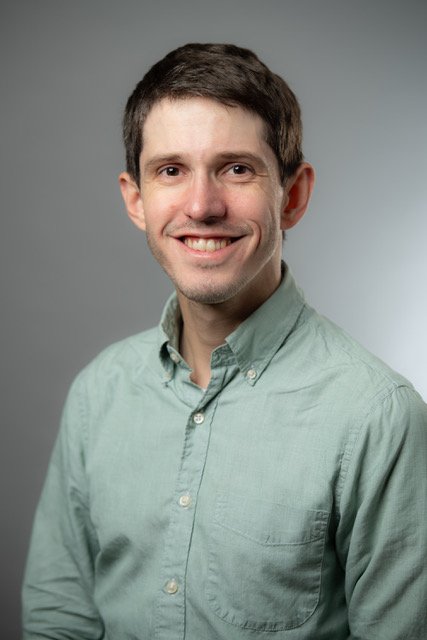
Dr. Nick Canby
Dr. Nicholas Canby is a licensed clinical psychologist and Post-Doctoral Research Associate at Brown University. He specializes in investigating meditation- and psychedelic-related adverse effects, as well as the interpersonal dynamics within spiritual communities.
Clinically, he utilizes a person-centered, functional-contextual approach, incorporating evidence-based therapies like ACT, DBT, and CBT. He is particularly focused on supporting individuals navigating distress related to non-ordinary states of consciousness, trauma, and complex interpersonal challenges.
Dr. Nathan Fisher
Dr. Nathan Fisher is a scholar of contemplative studies with a Ph.D. in Religious Studies and a concentration in Cognitive Science. With 15 years of contemplative practice across Buddhist, Chinese, and Abrahamic traditions, he serves as a meditation researcher with specialized expertise in meditation-related adverse effects.
His approach is grounded in cognitive science, social and cultural psychiatry, and attachment theory, with a focus on person-centered care. He is incredibly and uniquely well-equipped to support individuals navigating worldview confusion, those wrestling with Western Buddhism, or practitioners of Jewish, Christian, and Islamic traditions.
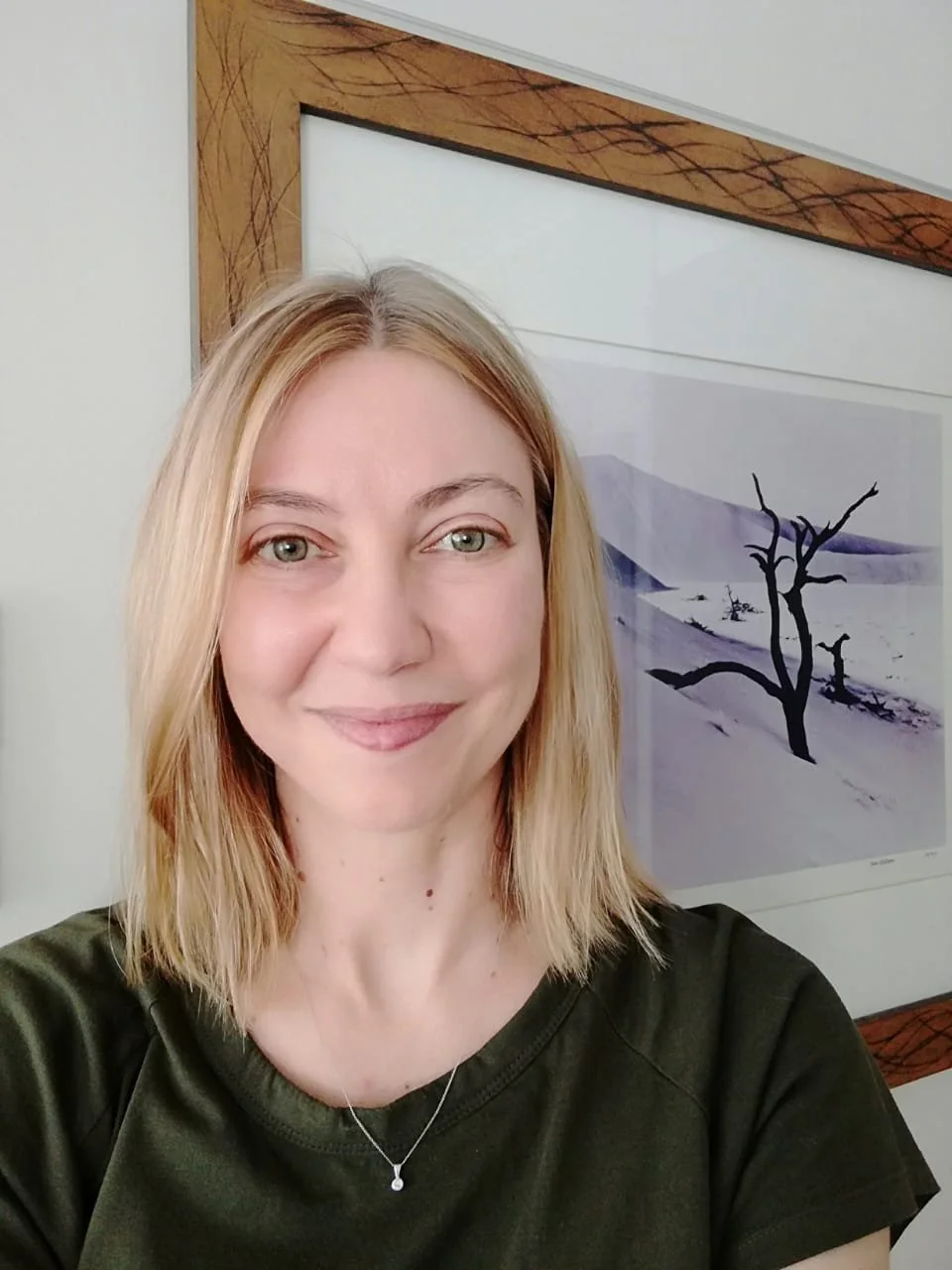
Mandy Johnson
Mandy Johnson is a coach based in South Africa with a background in organizational psychology and master-level coaching. She holds a postgraduate certification in mindfulness-based interventions and is certified in both Enneagram and HeartMath, bringing a blend of mindfulness expertise and coaching frameworks to her work.
Her professional focus centers on attachment, trauma, grief, and loss, with a strong emphasis on compassion-focused coaching. She is well-equipped to support individuals navigating early developmental childhood trauma, hyperarousal and anxiety, existential crises, and mindfulness-related challenges that may arise during retreats.
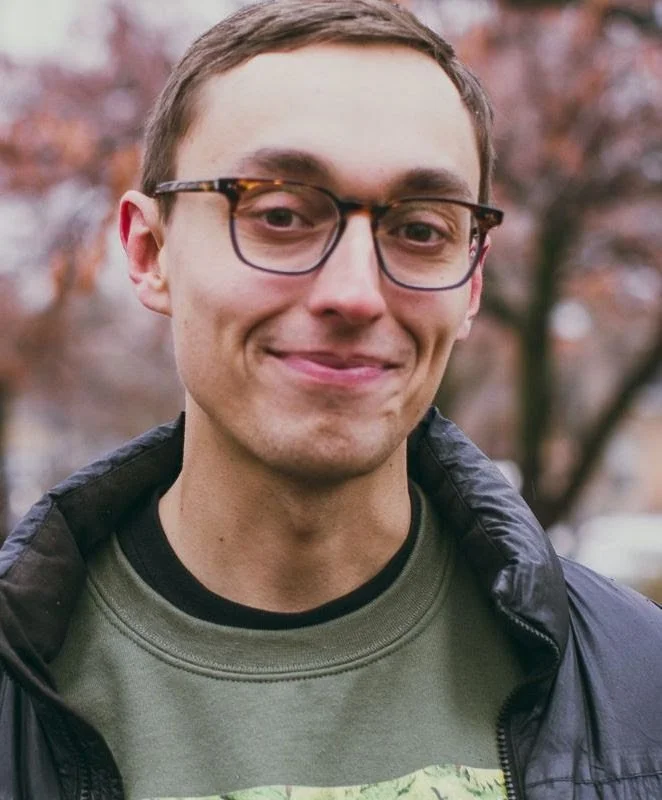
Scott Lippitt
Scott Lippitt is a Peer Supporter who brings ten years of Vipassana meditation experience and five years of personal lived experience with meditation-related adverse effects to his work. Trained by Cheetah House in their specific scaffolding and resourcing modalities, he focuses on helping individuals navigate challenges like anhedonia, depression, loss of worldview, and dissociation.
In his practice, Scott emphasizes person-centered care and nervous system regulation, often incorporating frameworks such as Internal Family Systems to help clients regain a sense of self. Scott puts the emphasis in peer support, providing an ear for those looking for a peer with a deep, practical understanding of these difficulties and who are interested in exploring non-spiritual explanations and recovery tools.
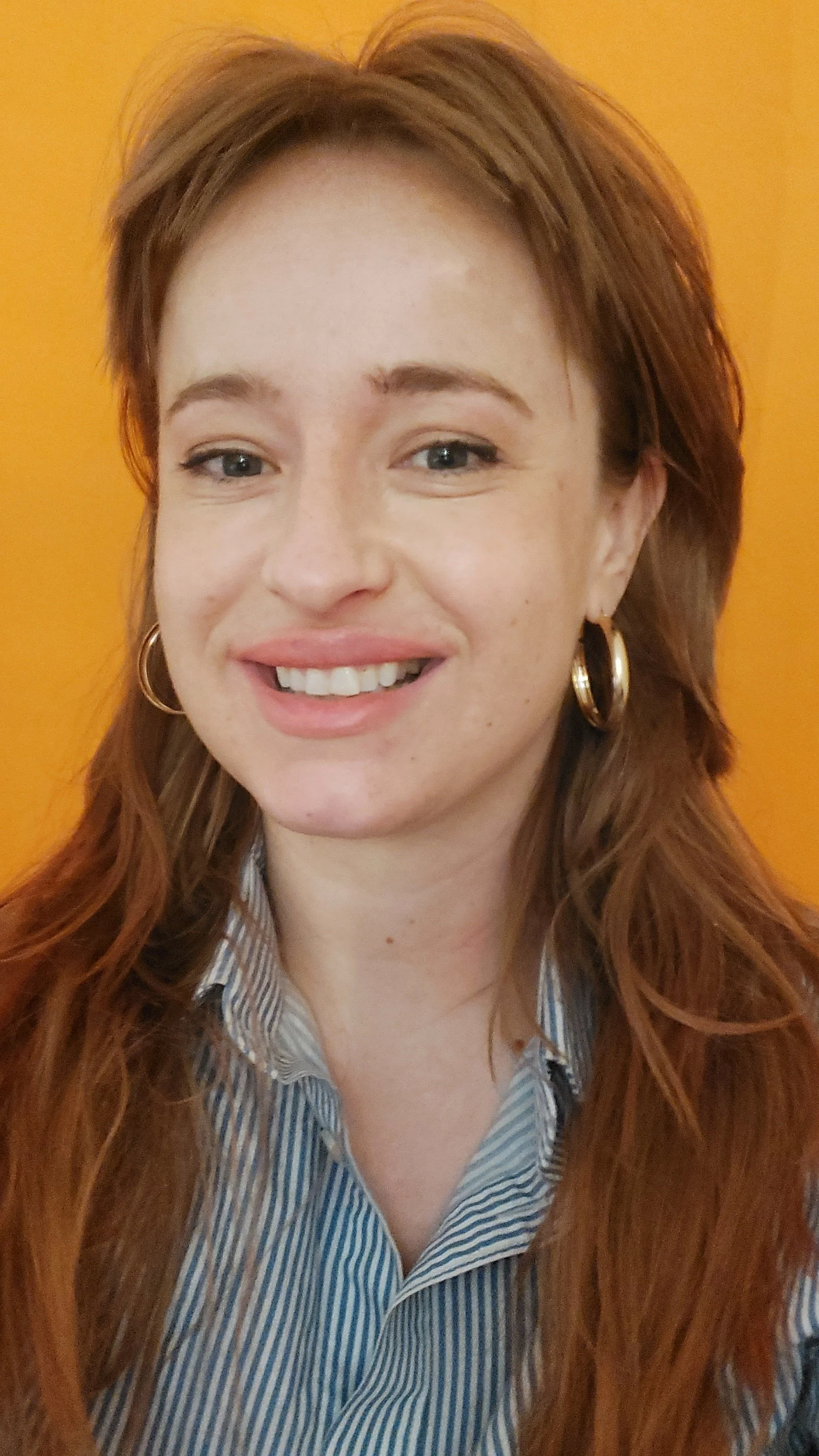
Christen Kramer
Christen Kramer is a certified crisis counselor with over 10 years of experience supporting individuals through a wide range of crisis situations and states of being. She holds two Master’s degrees and a Bachelor’s degree in psychology, and has undergone specialized training from Cheetah House in scaffolding, resourcing, and the mechanisms of meditation-induced adverse effects.
Her professional focus is non-ideological and trauma-informed, centering on the individual's unique interpretation of their experiences. She is a great support for folks who have experienced negative effects related to non-dualism, meditation, or ideological and belief-related challenges.
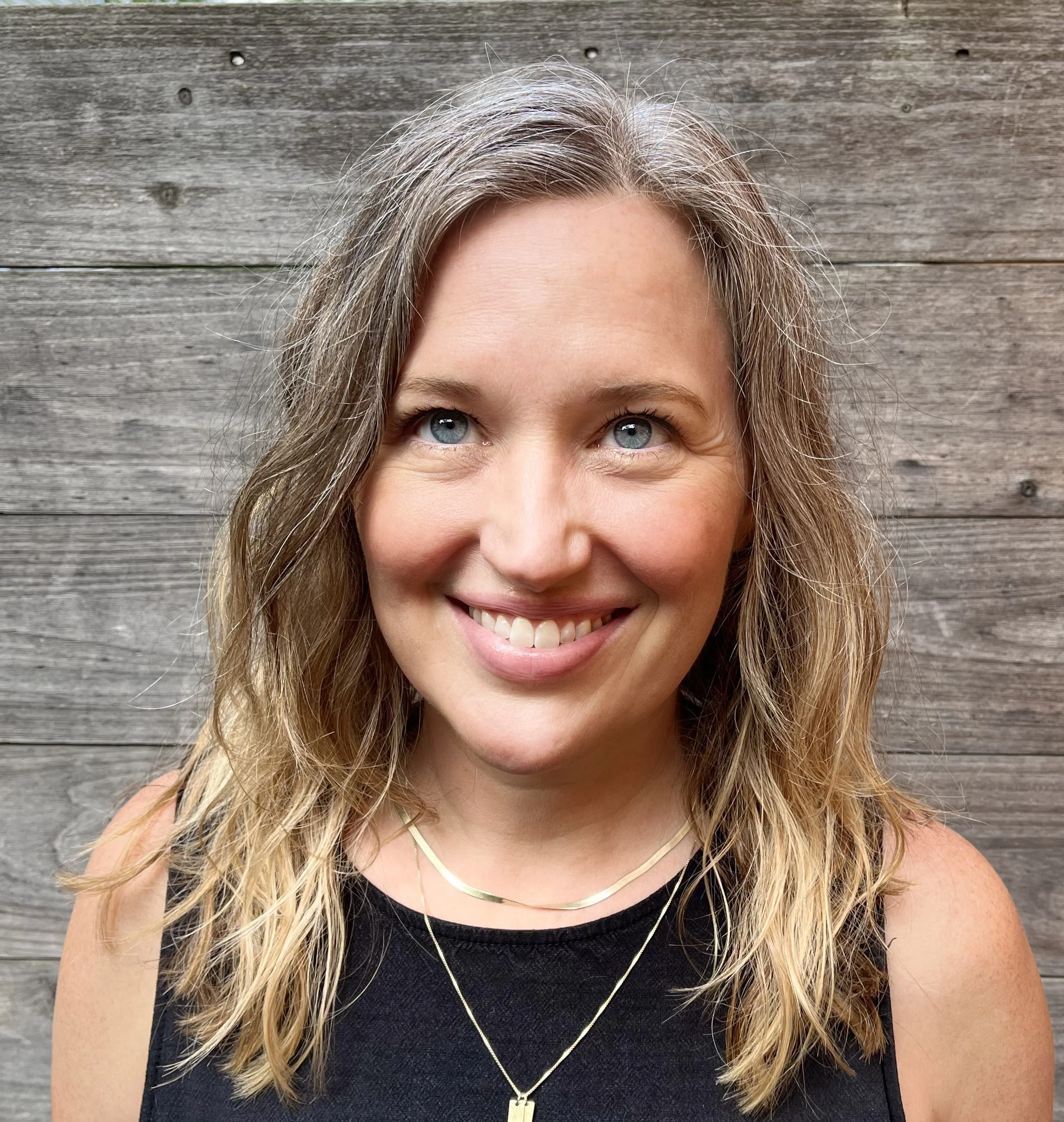
Ashley Owens Wood
Ashley Owens Wood is a licensed clinical social worker and therapist with over 15 years of experience in clinical, community, and hospital settings. She specializes in supporting individuals navigating the intersection of trauma, neurodiversity, and spiritual or religious wounding.
Her therapeutic approach is integrative and trauma-informed, drawing on modalities such as Internal Family Systems, Acceptance and Commitment Therapy, and somatic-based practices. She is particularly well-suited to help clients navigate dissociation, complex trauma, and the challenges that arise when contemplative practices intersect with underlying nervous system dysregulation.
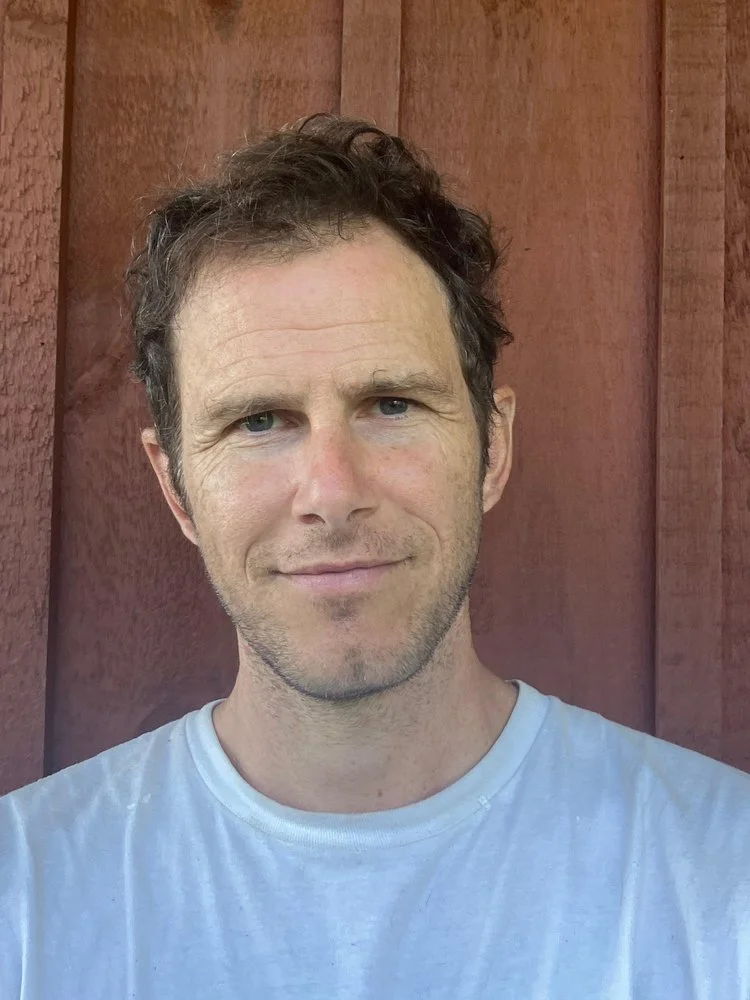
Doug Tielli
Doug Tielli is a practitioner with 19 years of experience in meditation and yoga, supplemented by training in gestalt psychotherapy and shiatsu. As a Peer Support Care Team member, his work is deeply influenced by a person-centered, relational approach and the teachings of Plum Village.
Doug particularly enjoys supporting individuals in the reintegration phase who are open to exploring how their belief systems impact their lives. He often incorporates creativity and art into his sessions and is well-equipped to support those navigating long-term adverse effects such as dissociation, hyper-sensitivity, and energetic porosity.
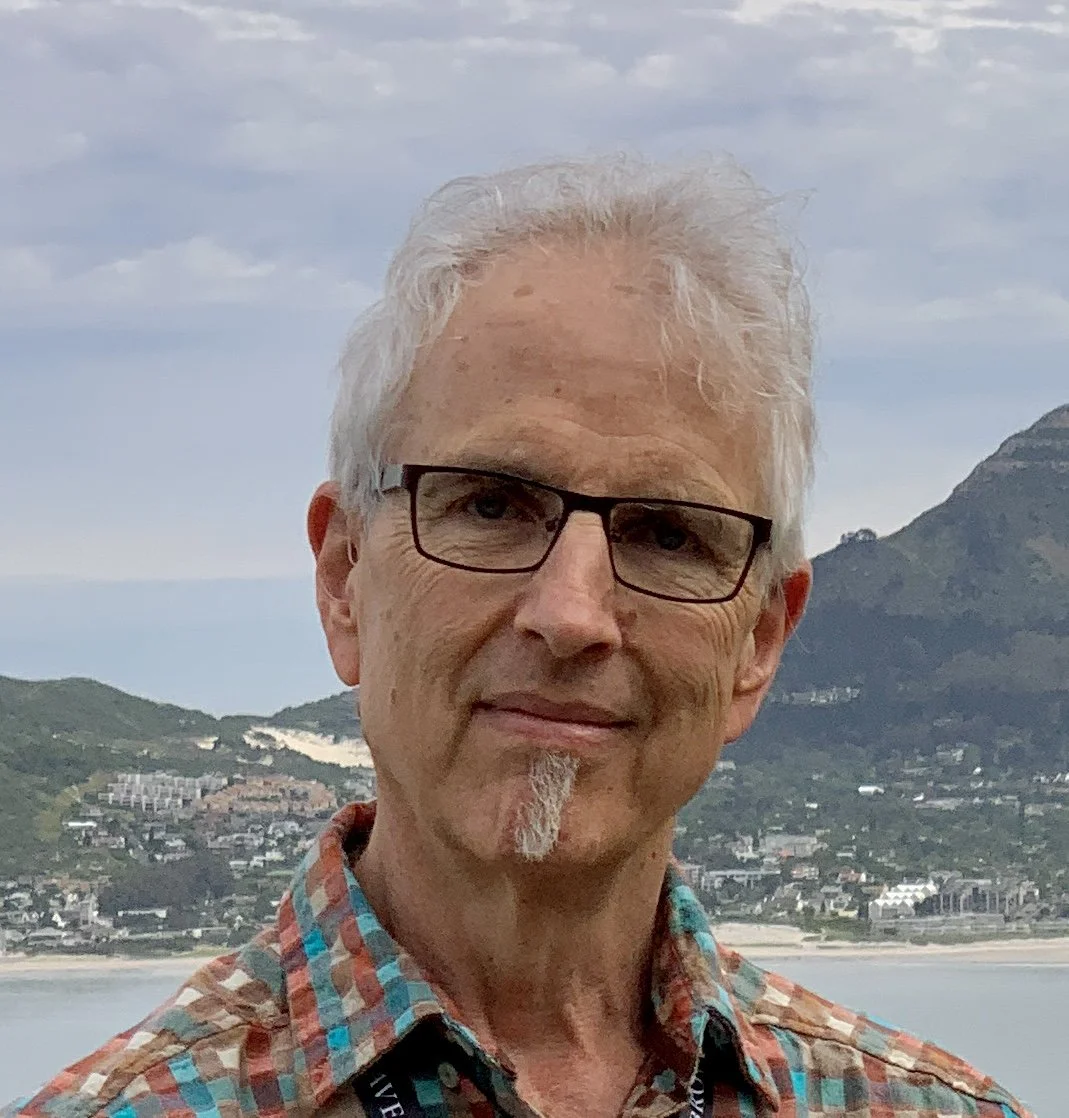
Peter Warren
Peter Warren is a psychotherapist and counselor with 20 years of experience, including 15 years in private practice and extensive work in community mental health. His approach is grounded in humanistic, psychodynamic, and trauma-informed frameworks, with a particular focus on the nervous system and the role of the body in healing.
Peter’s main focus is institutional betrayal, and he is well suited to help folks navigating, anxiety, depression, and complex trauma. He often works with clients who are seeking to integrate challenging contemplative or spiritual experiences through a lens that emphasizes safety, grounding, and relational support.
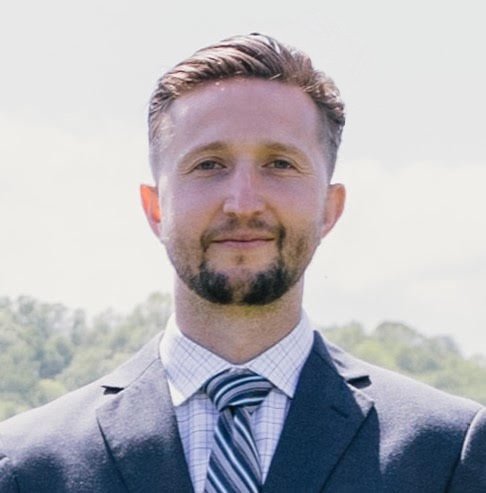
Michael Yonkovig
Michael Yonkovig is a Peer Supporter who draws on his own lived experience with meditation-related challenges to provide guidance for others. He has extensive training in nursing, psychology, and social work, and he has completed training with Cheetah House in scaffolding and resourcing modalities, emphasizing a pragmatic, non-pathologizing approach.
He is a great fit to support individuals navigating the complexities of post-retreat reintegration, existential confusion, and the emotional difficulties that can arise from deep contemplative practice. His work focuses on providing a grounded, peer-to-peer perspective for those seeking to understand and stabilize their experiences outside of a strictly clinical environment.
Schedule a consultation with Dr. Britton
Dr. Britton is available to meet with both meditators in distress as well as clinicians, teachers, and researchers.
Please note, if this is your first appointment, please only book one session.
If you need to meet sooner than what is available, you can email cheetahhouse.org@gmail.com to be put on a waitlist.
Live Events

-
Cheetah House offers a range of professional-level lectures and workshops that bridge the gap between contemplative practices, psychology, and neuroscience. Based on their past events, these sessions typically fall into the following categories:
Trauma and Neuroscience: These lectures explore how trauma impacts the mind-body connection. Recent examples include workshops on neuroscience-informed strategies for healing the traumatized self and research on interpersonal and institutional betrayal trauma.
Meditation-Related Challenges: Cheetah House provides education on the psychological risks and side effects of contemplative practices. This includes research-based typologies of meditation-related experiences—such as "delusion-like ideation" (e.g., grandiosity, paranoia, or experiences of death)—and how clinicians and teachers can respond to these challenges.
Cross-Cultural and Traditional Perspectives: Several lectures examine how different cultural and religious traditions understand mind-body functioning and mental health. For instance, they have hosted sessions on Tibetan medical traditions, specifically focusing on how concepts like "wind" are used to explain and remedy meditation-related mental health issues.
Many of these lectures are designed for professionals and are approved for APA Continuing Education (CE) credits for psychologists.
-
This series is a collection of courses featuring individuals who have navigated meditation-related challenges. Through these personal accounts, meditators and teachers share their lived experiences, including the specific circumstances of their adverse reactions, their personal responses to those challenges, and their individual paths toward healing and growth.
These events serve as a resource for those who may be struggling with similar experiences, providing a space to learn from others who have faced these difficulties.
You can find past recordings on our YouTube and our Courses page.
-
The "Meet a Cheetah" series highlights the dedicated team behind Cheetah House, offering a behind-the-scenes look at the experts, specialists, and advocates who provide support for those navigating meditation-related challenges.
Get to know our care team and their diverse professional backgrounds, unique approaches to mental health, and their commitment to institutional courage and inclusivity in the field of contemplative practice.